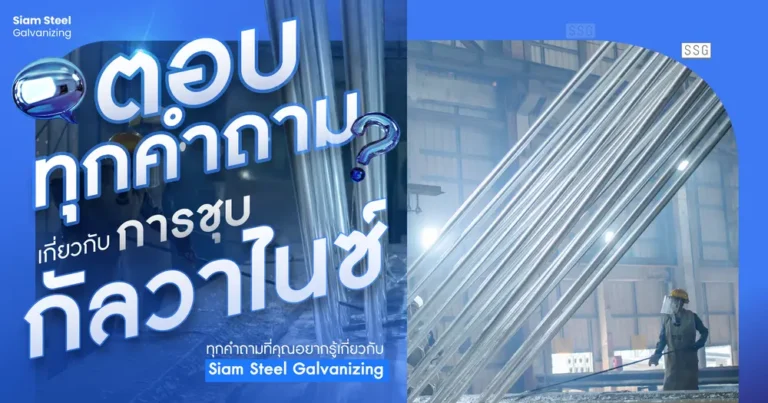
Rust prevention is a critical factor in all types of steel applications, whether in construction, factory structures, equipment manufacturing, or a wide range of industrial components. One of the most effective and widely used methods for corrosion protection is galvanizing, a process that significantly extends the service life of steel. Galvanized steel offers excellent resistance to weather conditions and moisture while helping reduce long-term maintenance costs.
This article provides an in-depth yet easy-to-understand guide to galvanizing—covering how the galvanizing process works, the types of steel best suited for galvanizing, important considerations before choosing galvanized steel, and the real benefits that are often overlooked. It also includes practical recommendations for businesses looking to maximize value and performance when using galvanized steel for rust protection in their projects.
What Is Galvanizing?
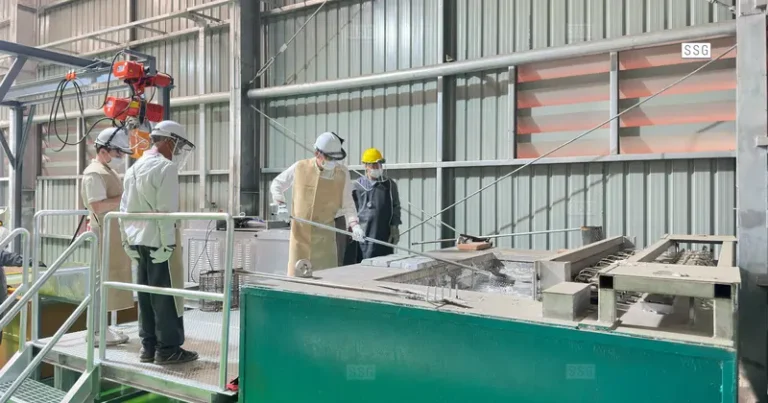
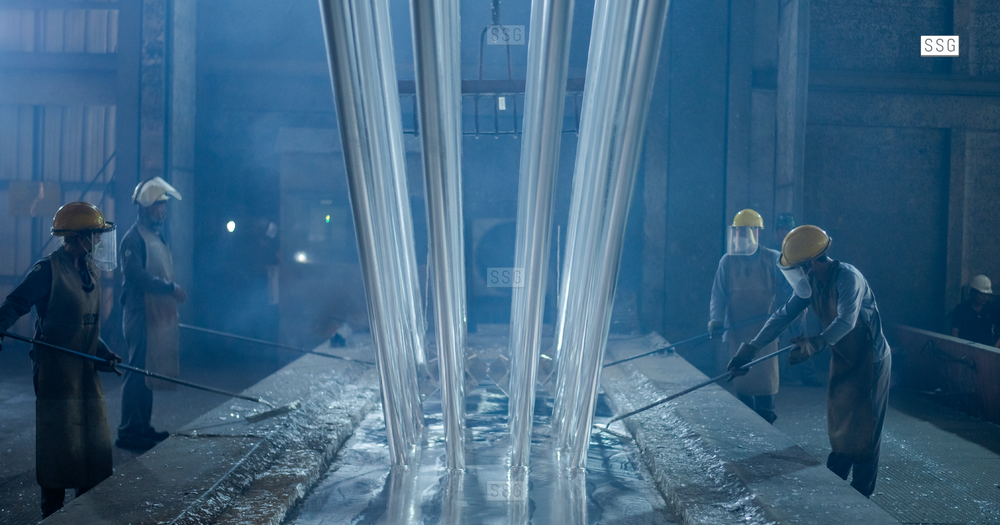
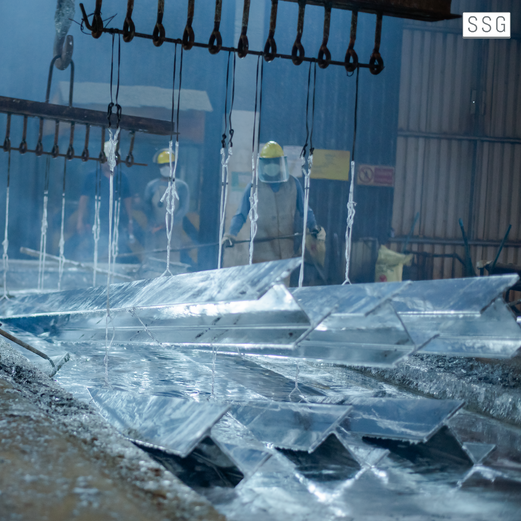
Galvanizing is a process of coating metal with zinc to prevent oxidation and rust formation. The most widely used method is hot-dip galvanizing, which involves immersing steel into a bath of molten zinc at a temperature of approximately 450°C. This process allows the zinc to metallurgically bond with the steel surface, creating a permanent, durable coating that is significantly stronger and longer-lasting than other surface coating methods.
The zinc coating not only prevents moisture and air from coming into direct contact with the steel, but also provides dual protection: barrier protection and cathodic protection. This means that even if the galvanized surface is scratched or partially damaged, the zinc will continue to protect the underlying steel, preventing rust from spreading—unlike ordinary, uncoated steel.
Advantages of Galvanizing
1. Long-lasting rust protection (70+ years)
The service life of galvanized steel depends on environmental conditions such as coastal areas, high-humidity locations, or open outdoor spaces. On average, the zinc coating provides excellent corrosion resistance for decades, making it ideal for all types of outdoor and structural steel applications.
2. Far more durable than painting or spray coating
Anti-rust paint typically requires maintenance or repainting every 3–5 years, while galvanized steel needs minimal upkeep. This significantly reduces long-term maintenance costs.
3. Excellent resistance to scratches and impact
Because zinc penetrates and bonds with the steel surface, the galvanized coating is much stronger than other coating methods that form only a thin surface film.
4. Ideal for factory-standard and industrial applications
Commonly used in power plants, manufacturing facilities, food processing plants, warehouses, and outdoor installation systems.
5. Suitable for a wide range of steel products
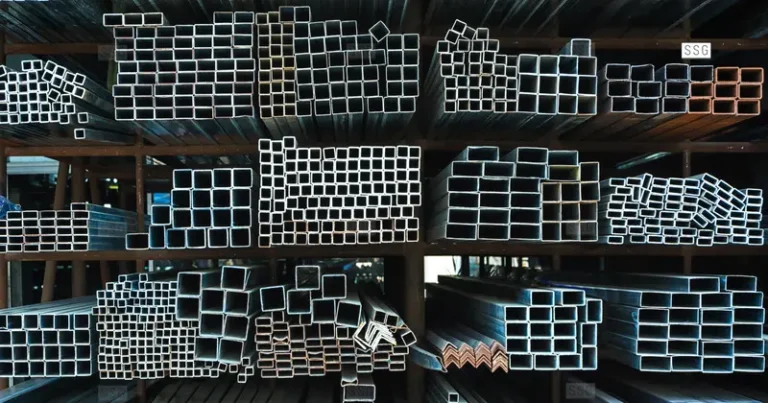
Including structural steel, square and rectangular tubes, round pipes, steel plates, and various machinery components.
Which Types of Steel Can Be Galvanized?
Many people assume that all types of steel can be galvanized, but in reality, some steels are more suitable than others, and certain conditions should be considered before galvanizing. The main types include the following:
1. Low Carbon Steel (Mild Steel)
Low carbon steel is the most commonly used steel in general construction. It is highly suitable for galvanizing because zinc adheres easily, resulting in a smooth surface finish and a long service life. Typical applications include:
-
Steel box sections
-
Steel bars
-
Structural steel
-
Steel plates
-
Black steel pipes
2. Hot Rolled Steel (HR)
Hot rolled steel has a relatively rougher surface compared to cold rolled steel, but it galvanizes very well. It is widely used in heavy structural applications such as:
-
H-beams
-
I-beams
-
C-channels
-
Angle bars
3. Cold Rolled Steel (CR)
Cold rolled steel has a smooth and clean surface, producing a visually appealing galvanized finish. It is commonly used for applications requiring a neat appearance, such as:
-
Assembly work
-
Tools and equipment
-
Components where aesthetics are important
4. Cast Steel / Malleable Iron
Cast steel can be galvanized, but the silicon (Si) content must be carefully controlled. High silicon levels may cause a rough surface, darker coating, and excessively fast reactions with zinc.
5. Structural Steel (All Types)
Galvanizing is suitable for a wide range of structural steel products, including:
-
Steel pipes
-
Angle steel
-
Wide flange beams
-
Building structures
-
Factory steel frameworks
If you’d like, I can continue with steel types that are not suitable for galvanizing, common problems to watch out for, or an SEO-ready conclusion section to complete the article.
If you are unsure whether galvanizing is suitable for your project, you can contact us for free consultation:
Phone : (+66) 02-705-8755
E-mail: ssgl@ssggalvanizing.com
Official Line: @ssggalvanizing (or click to add @LINE)
#SSG #SiamSteelGalvanizing
#HotDipGalvanizing #GalvanizedSteel #InternationalStandard #ZincCoating #GalvanizedSteelGrating