Can You Paint Over Rust? Common Misconceptions and Expert-Recommended Ways to Remove and Prevent Rust
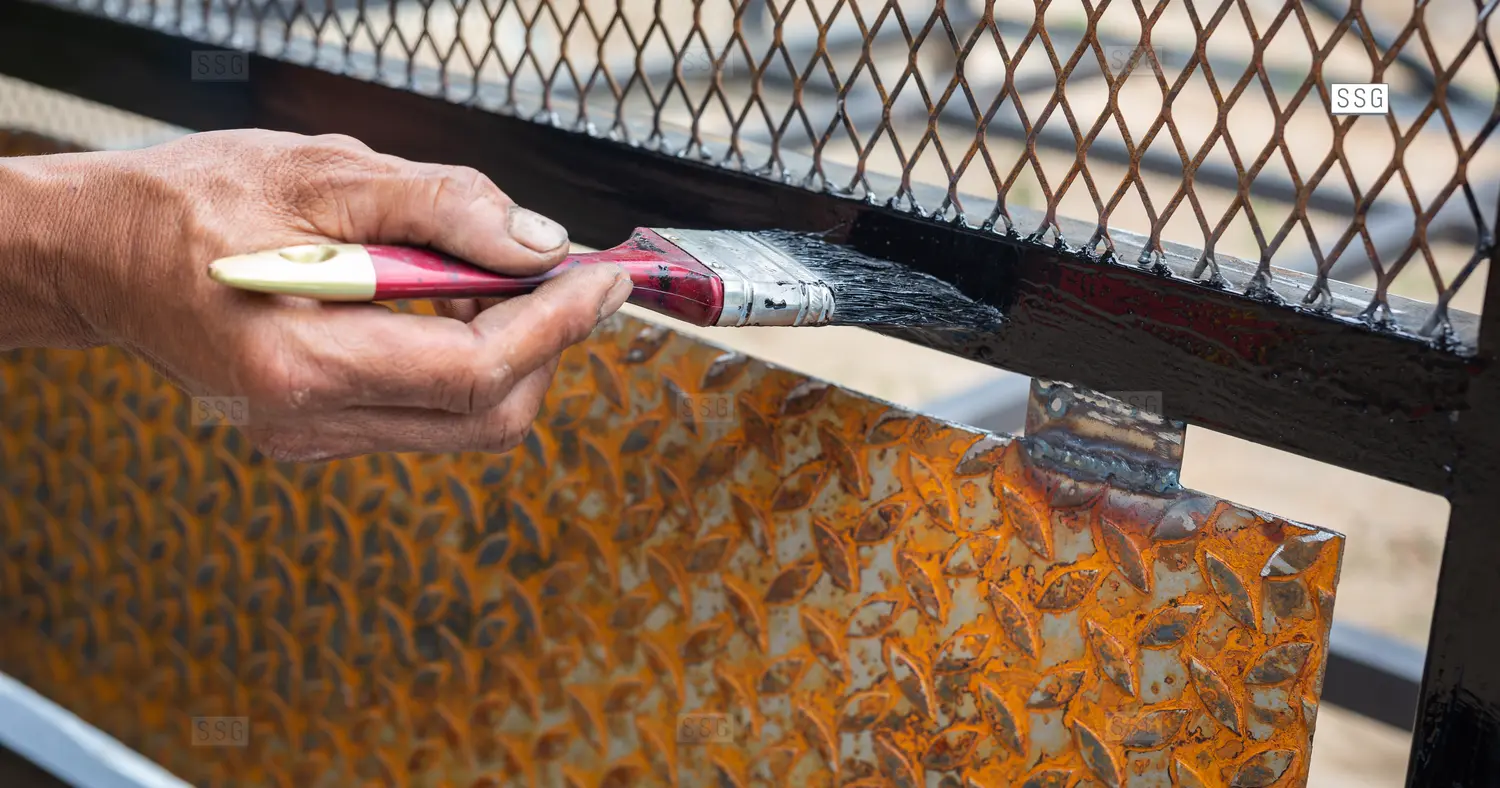
Rust is a common issue that many people encounter when working with steel—whether it’s structural steel, checkered plates, steel box sections, or steel grating. Many assume that rust is a minor problem and believe that a quick fix like simply “painting over rust” is enough to solve it. However, the truth is that painting over rust without proper surface preparation can actually lead to even bigger and unexpected problems.
This article explains in detail why painting over rust is not recommended, the correct steps for painting rusted steel, how to properly prevent rust from forming in the first place, and long-term protection methods widely used by factories and contractors—such as hot-dip galvanizing.
Why Painting Over Rust Seems Easy — but Is Actually a Costly Mistake
Many people believe that if the rust isn’t too severe, simply painting over it should be enough. But the truth is that rust is a surface that cannot provide proper adhesion—no matter how expensive the paint is. If the steel surface is not properly cleaned and prepared for anti-corrosion coating, the paint will simply not adhere the way it should.
1. Rust prevents the paint from bonding properly
Rust is the result of oxidation, creating a flaky, weakened layer on top of the steel. When you paint over rust, the paint is actually sticking to the rust layer—not the steel itself. As corrosion continues underneath, the rust expands beneath the paint, causing the coating to bubble, peel, and break apart much faster.
2. Paint peels off much more quickly
Painting over rust may look fine at first, but within just a few months the paint often starts peeling off in sheets. That’s because the rust underneath never stopped developing—it’s still eating into the steel surface beneath the coating.
3. Moisture can still penetrate the steel
Painting over rust does not seal out moisture. Water and oxygen can still reach the metal surface, accelerating corrosion even further. Without proper surface preparation, the painted layer becomes nothing more than a temporary cover.
4. It can lead to faster structural deterioration
In structural steel applications—such as buildings, warehouses, factories, parking structures, or public infrastructure—painting over rust incorrectly can cause serious damage over time. As corrosion continues, the steel can become thinner, lose strength, deform, and in severe cases create safety hazards. In many instances, the damage progresses silently beneath concrete or plaster surfaces, only becoming visible once significant deterioration has already occurred.
Does Painting Over Rust Really Fix the Problem?
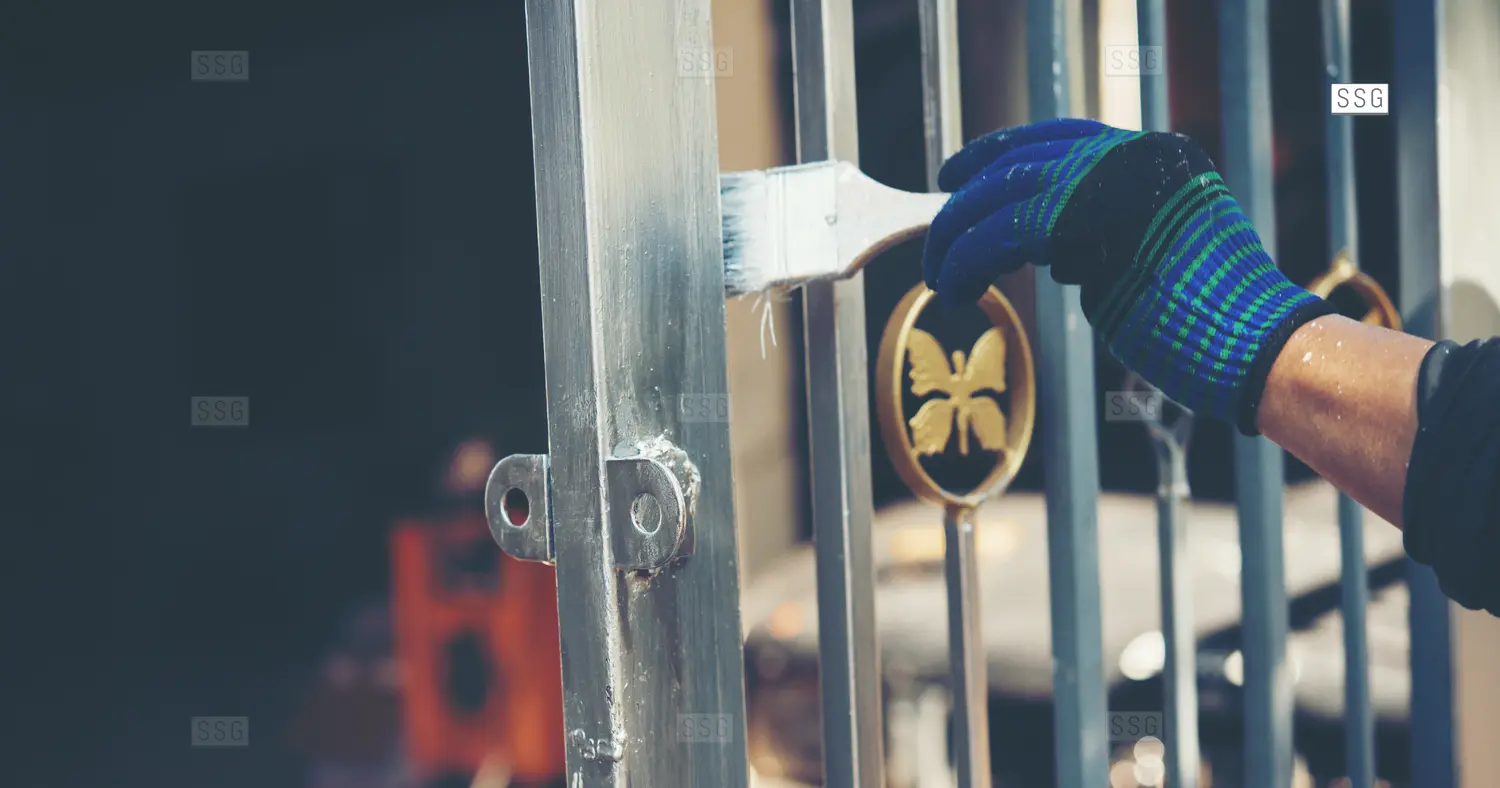
Although rust-inhibiting primers are marketed as products that can be applied directly over rust, in practice, the instructions always recommend cleaning off the rust before use. This is because rust-inhibiting primers only slow down the corrosion process—they do not permanently stop rust from forming.
Why Removing Rust First Is Essential for Rust Paint to Work Effectively
Thick Rust = Poor Paint Adhesion
Powdery Rust = Paint Peels Easily
Deep Rust = Rust Paint Cannot Stop Corrosion
Therefore, even when using a rust-inhibiting primer, you still need to remove or grind off as much rust as possible before painting.
Stop All the Hassle and Corrosion Risks with Hot-Dip Galvanizing
Although painting is a method many people choose due to its low initial cost, in the long run it requires frequent repainting because the paint peels and deteriorates quickly—especially for steel exposed to outdoor conditions or rain. The solution preferred by many companies and contractors is hot-dip galvanizing, which provides durable, long-lasting protection.
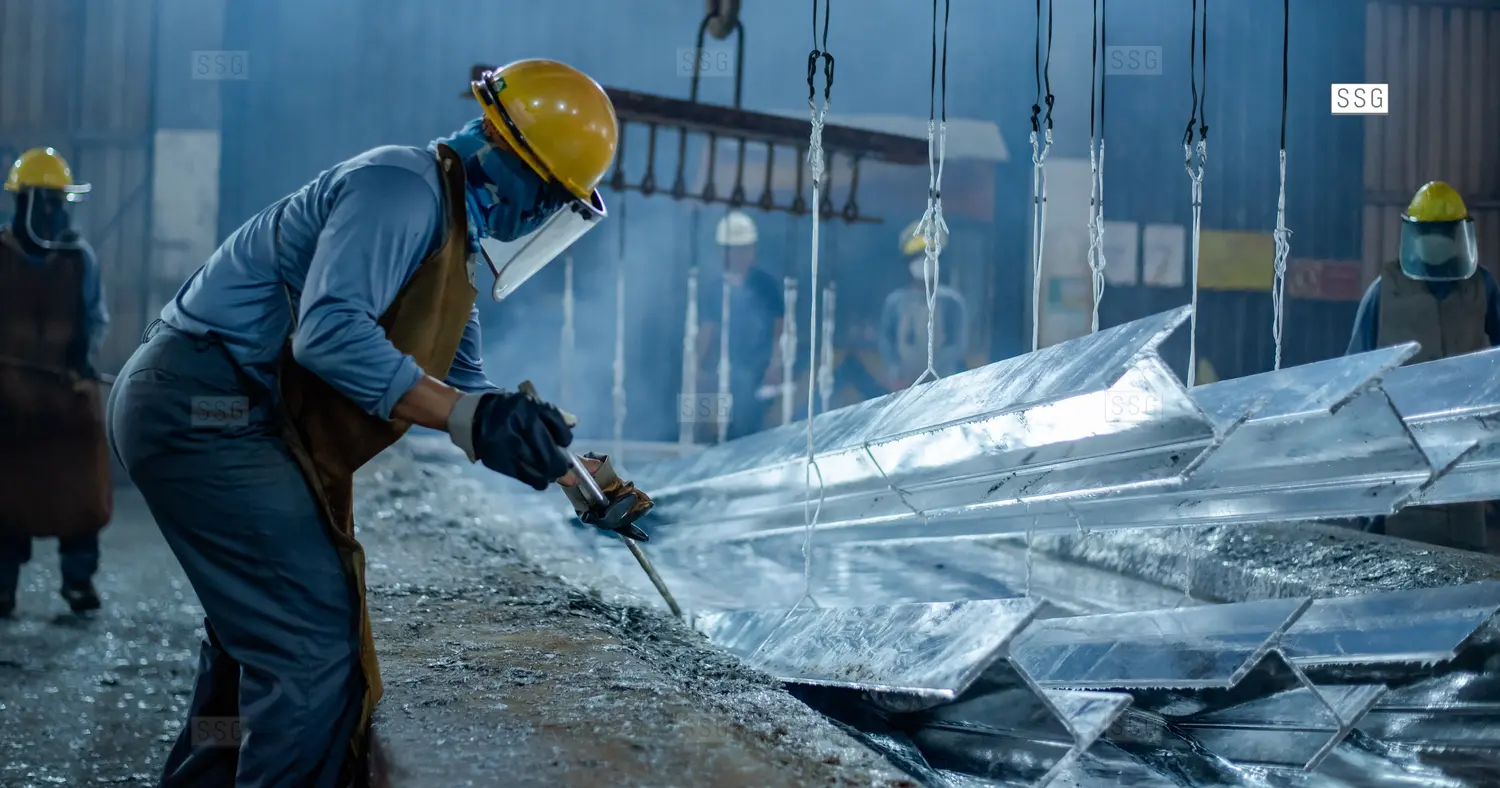
Advantages of Hot-Dip Galvanized Steel
1. Provides Long-Lasting Rust Protection for 70+ Years
2. Coats Steel Surfaces Thoroughly, Both Inside and Out
3. Requires Minimal Maintenance
4. Resistant to Sun, Rain, and Corrosion
5. Thick Coating (50–250 Microns) Offers Excellent Corrosion Protection

“For this reason, galvanizing is a more cost-effective solution in the long run, especially in the construction, industrial, and public infrastructure sectors.”
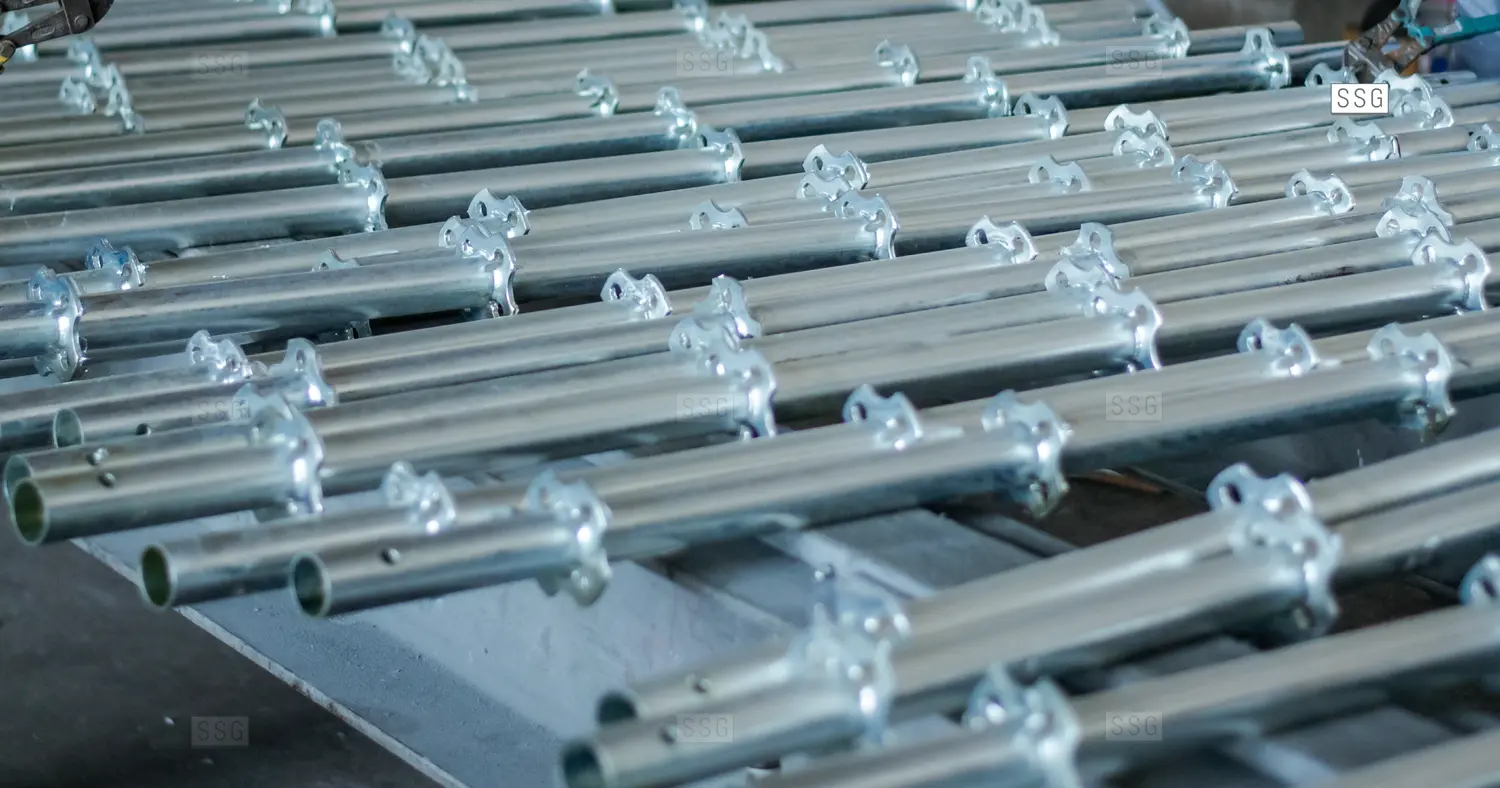
In short: Never paint over rust if you don’t want to waste money repeatedly and risk structural damage.
According to steel and galvanizing experts, improperly painting over rust is one of the main causes of frequent maintenance.
Key Takeaways
1. Never paint directly over rust
2. Remove as much rust as possible before painting
3. Use a high-quality rust-inhibiting primer
4. Apply paint according to the recommended number of coats
5. For maximum durability, hot-dip galvanizing is the best solution
Galvanizing Plant – Siam Steel Galvanizing Co., Ltd.
The leading expert in hot-dip galvanizing (zinc coating) and the largest galvanizing company in Thailand.
If you are unsure whether galvanizing is suitable for your project, you can contact us for free consultation:
Phone : (+66) 02-705-8755
E-mail: ssgl@ssggalvanizing.com
Official Line: @ssggalvanizing (or click to add @LINE)
#SSG #SiamSteelGalvanizing
#HotDipGalvanizing #GalvanizedSteel #InternationalStandard #ZincCoating #GalvanizedSteelGrating