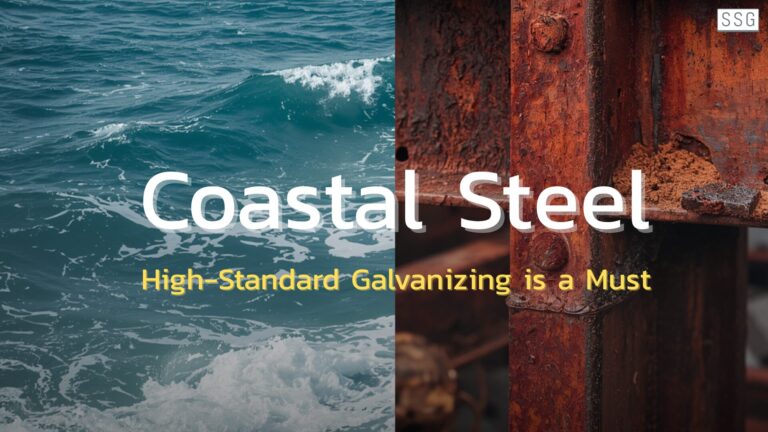
In structural steel projects, Hot-Dip Galvanizing (HDG) is widely recognized as the most effective method for corrosion protection. However, a crucial fact remains: “A perfect galvanized finish begins at the fabrication shop.” Improper steel preparation not only results in poor aesthetics but can also lead to structural risks and unnecessary project delays.
To ensure your steel achieves a uniform, high-quality coating that complies with ASTM A123 standards, Siam Steel Galvanizing (SSG) has compiled this essential checklist for engineers and site supervisors to review before sending steel to the kettle.
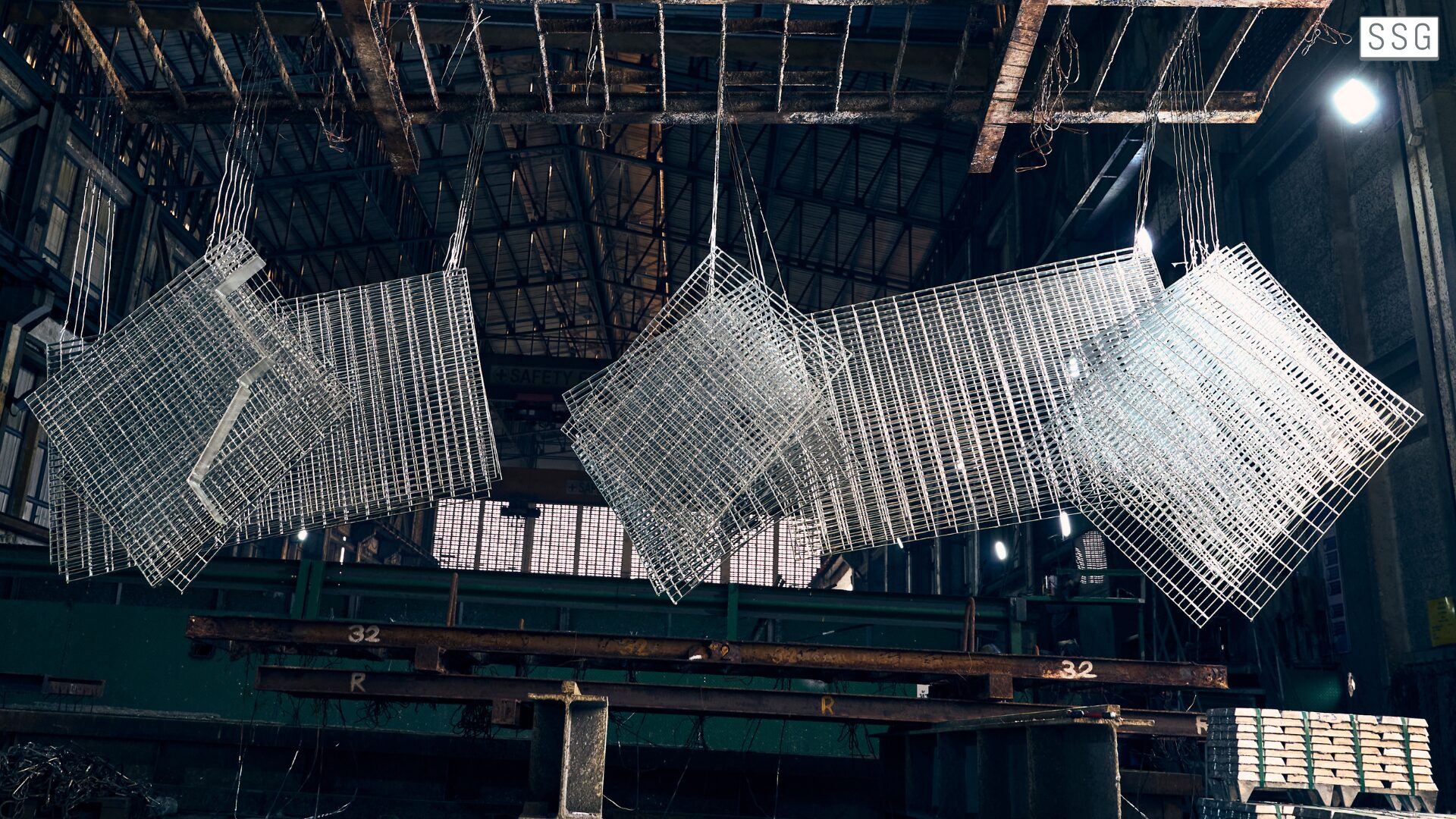
1. Venting and Drainage: The Golden Rule
Venting is the most critical aspect of the galvanizing process. During dipping, steel is submerged in molten zinc at temperatures reaching 450°C (840°F).
- Why is it vital?: Any hollow sections (HSS or pipes) that are completely sealed can trap air. Under extreme heat, this trapped air expands rapidly, creating immense pressure that can cause the steel to explode in the galvanizing bath.
- The Solution: Ensure that vent and drain holes are located at the corners or ends of the fabrication. This allows air to escape and molten zinc to flow freely into and out of every crevice, preventing “air pockets” and internal “zinc pooling.”
2. Removing Surface Contaminants (Chemical Cleaning)
While the pre-treatment process at a galvanizing plant includes an acid pickling bath, certain contaminants are “acid-resistant” and must be removed during fabrication:
- Oil, Grease, and Cutting Fluids: These must be removed using a caustic degreaser or solvent.
- Welding Slag: Acid cannot penetrate welding slag. All weld beads must be chipped and wire-brushed clean to ensure the zinc can bond metallurgically with the steel.
- Markers and Crayon: Never use permanent markers or oil-based crayons for layout markings. Use water-soluble paints or metal stamping (punching) instead, as permanent ink will ghost through the zinc coating.
3. Steel Chemistry Selection
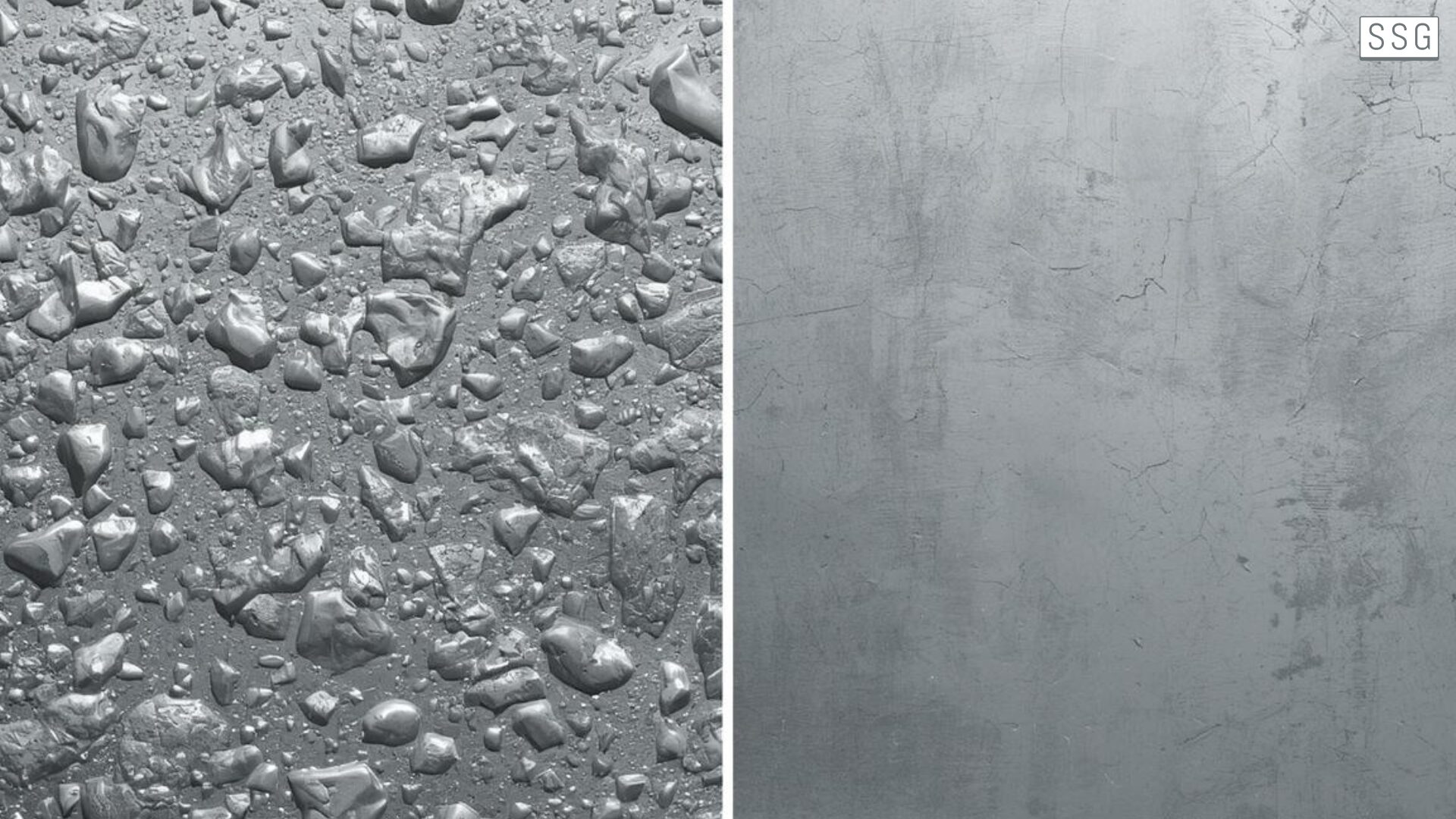
The chemical composition of the steel significantly influences the galvanized finish. Specifically, levels of Silicon and Phosphorus must be monitored. High levels of these elements can trigger the Sandelin Effect, resulting in an excessively thick, brittle, and “dull gray” coating. While it still provides protection, it may not meet the aesthetic requirements of high-profile architectural projects.
4. Clearance for Moving Parts and Threads
Hot-dip galvanizing adds a coating thickness of approximately 100–200 microns to the steel surface.
- Tolerances: For threaded assemblies, it is essential to allow for “oversized” tapping or thread clearance.
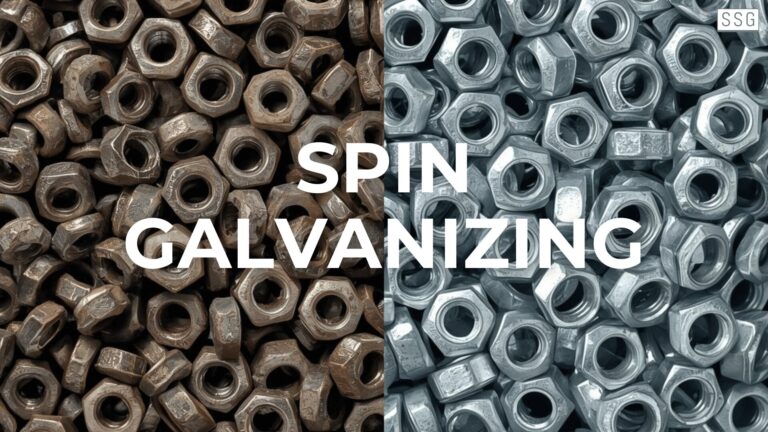
- Spin Galvanizing: For small fasteners and intricate hardware, we highly recommend SSG’s Spin Galvanizing (Centrifuge) service, which flings away excess zinc to ensure sharp, clean threads that are ready for immediate assembly.
5. Minimizing Warpage and Distortion
Exposure to high heat can cause thin-gauge steel or asymmetrical fabrications to warp. To minimize this, engineers should:
- Use symmetrical designs where possible.
- Avoid combining very thin plates with thick-walled sections in the same fabrication.
- Use temporary bracing for large, flat surfaces to maintain shape during the dip.
Partner with the Experts: Siam Steel Galvanizing (SSG)
At SSG, we act as a technical partner to your engineering team. Our experts provide detailed consultations on venting designs and fabrication techniques to ensure your steel is protected to the highest international standards.
If you are unsure whether galvanizing is suitable for your project, you can contact us for free consultation:
Phone : (+66) 02-705-8755
E-mail: ssgl@ssggalvanizing.com
Official Line: @ssggalvanizing (or click to add @LINE)
#SSG #SiamSteelGalvanizing
#HotDipGalvanizing #GalvanizedSteel #InternationalStandard #ZincCoating #GalvanizedSteelGrating